
Project Travel Report 2025
A team from ÖJAB visited their development cooperation projects in Burkina Faso
In late 2025, Dr. Kiswend-sida Mikhaïlou Dera, head of ÖJAB’s development cooperation, visited ÖJAB’s development cooperation projects in Burkina Faso. The visit’s purpose was to evaluate ÖJAB’s ongoing projects, and explore new initiatives with new potential partners. The visit was conducted in concert with the NGO GRAD-A, which acts as ÖJAB’s local representation in Burkina Faso.
ÖJAB’s WASH projects continue to improve rural sanitation
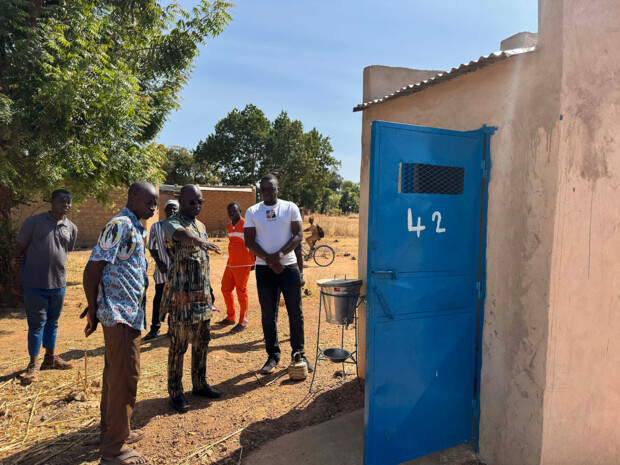
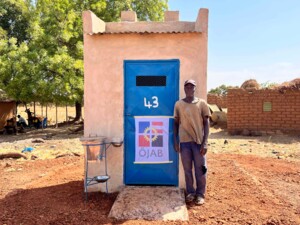
ÖJAB’s longest-running projects Together – Clean – Healthy in Samba and Hygiene is Health in Doulougou improve the sanitary conditions in rural communes in Burkina Faso. Namely, ÖJAB and their partner organisation GRAD-A build compost latrines including hand-washing facilities for poverty-stricken families with many children and offer hygiene training programs.
In Samba, located in the Yaadga region (until 2025: Nord), the ÖJAB team visited the commune’s mayor, hygiene officer, and other stakeholders. Together, they inspected the ten new latrines built in 2025 and listened to the beneficiaries’ testimonies, how the latrines improved their lives. ÖJAB’s and GRAD-A’s work in Samba is assisted and partly conducted with the local association Laafi Zaka, who organises sanitation activities in the commune.
Similar to the project in Samba, ÖJAB and GRAD-A visited beneficiaries and stakeholders, including the local hygiene action group Yiligmde la Laafi, in Doulougou in Burkina Faso’s Kadiogo region (until 2025: Centre). After observing improvements in the construction quality of the latrines in the previous year, the team was happy to observe a significant improvement in the hygiene trainings and hygiene conditions among beneficiaries in Doulougou. This improvement can largely be credited to the efforts of local partners. Additionally, ÖJAB constructed five new latrines in 2025.


First breeding success in “One Woman – One Farm”
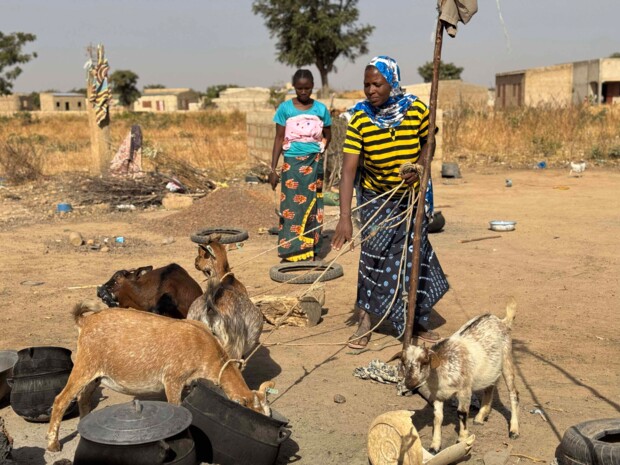
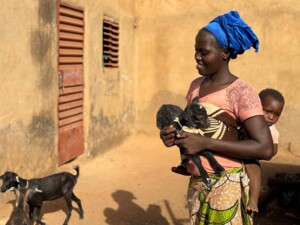
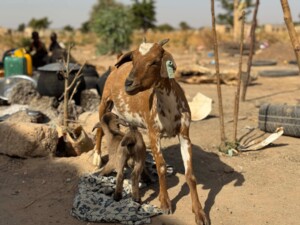
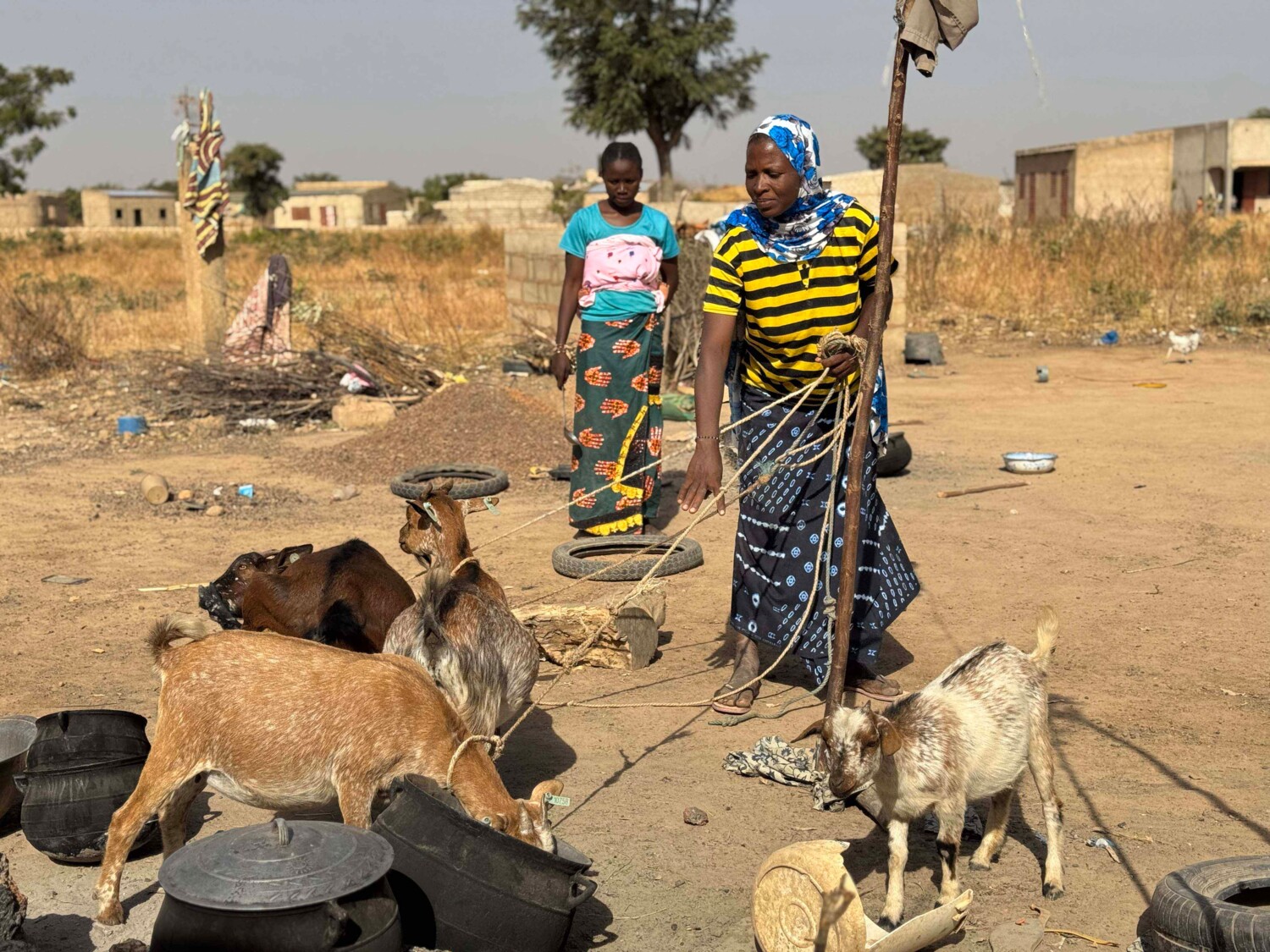
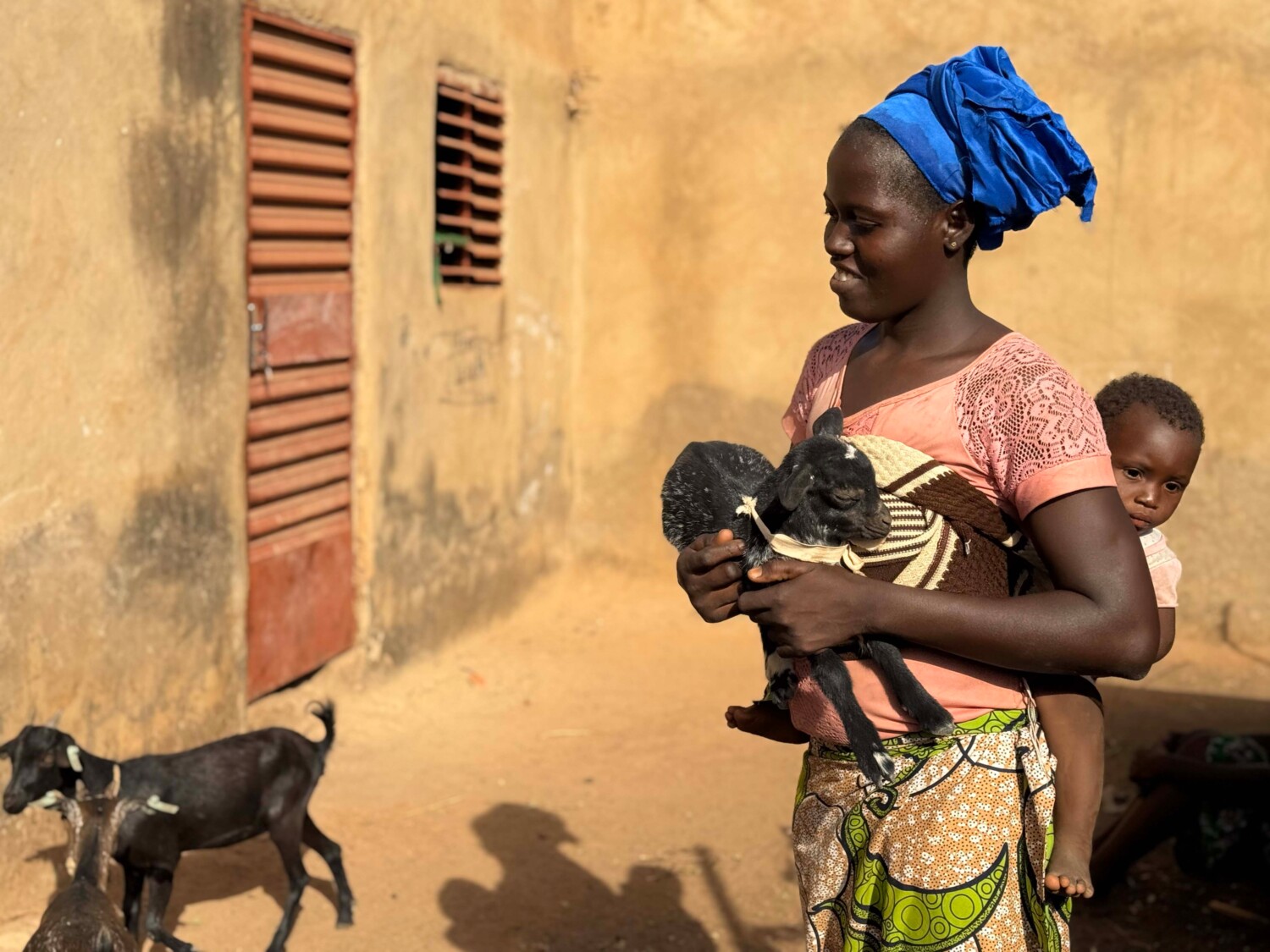
ÖJAB’s project One Woman – One Farm in the rural commune of Komsilga in Kadiogo region, empowers women and helps them gain financial independence. Dr. Dera’s team was happy to see good progress after initial delays occurred during the selection of a suitable commune. In the project, 60 women, including 30 especially vulnerable internally displaced women, received “starter kits” consisting of one male and three female goats and animal feed to help start their own animal farm. At the end of the project, beneficiaries will select some of these goats and pass them on to other women as part of new starter kits to create a positive ripple effect. ÖJAB’s project partner EMESA, a local veterinary school, conducts accompanying trainings in animal care and regularly monitors the goats’ condition. The project “One Woman – One Farm” is made possible by the financial support of the City of Vienna.
During their visit, ÖJAB’s team connected with beneficiaries and local administrators, who showed great enthusiasm for the project and thanked ÖJAB and their project partners for their support. At the time of the visit, most goats already gave birth or were pregnant, setting the cornerstone for the further positive development of the project.

Fruitful new cooperation with vocational training centres
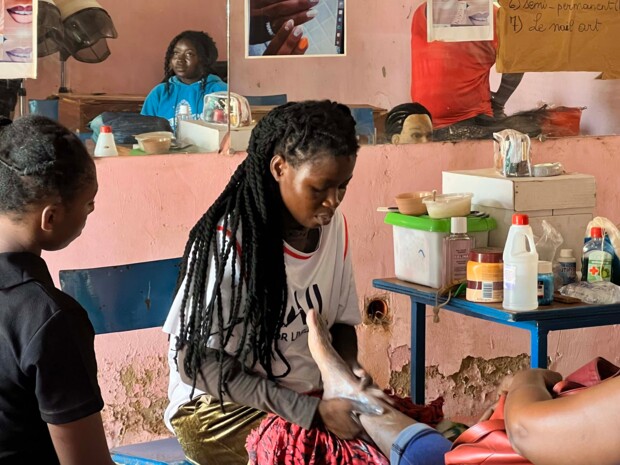
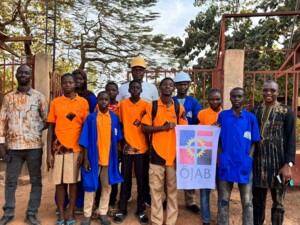
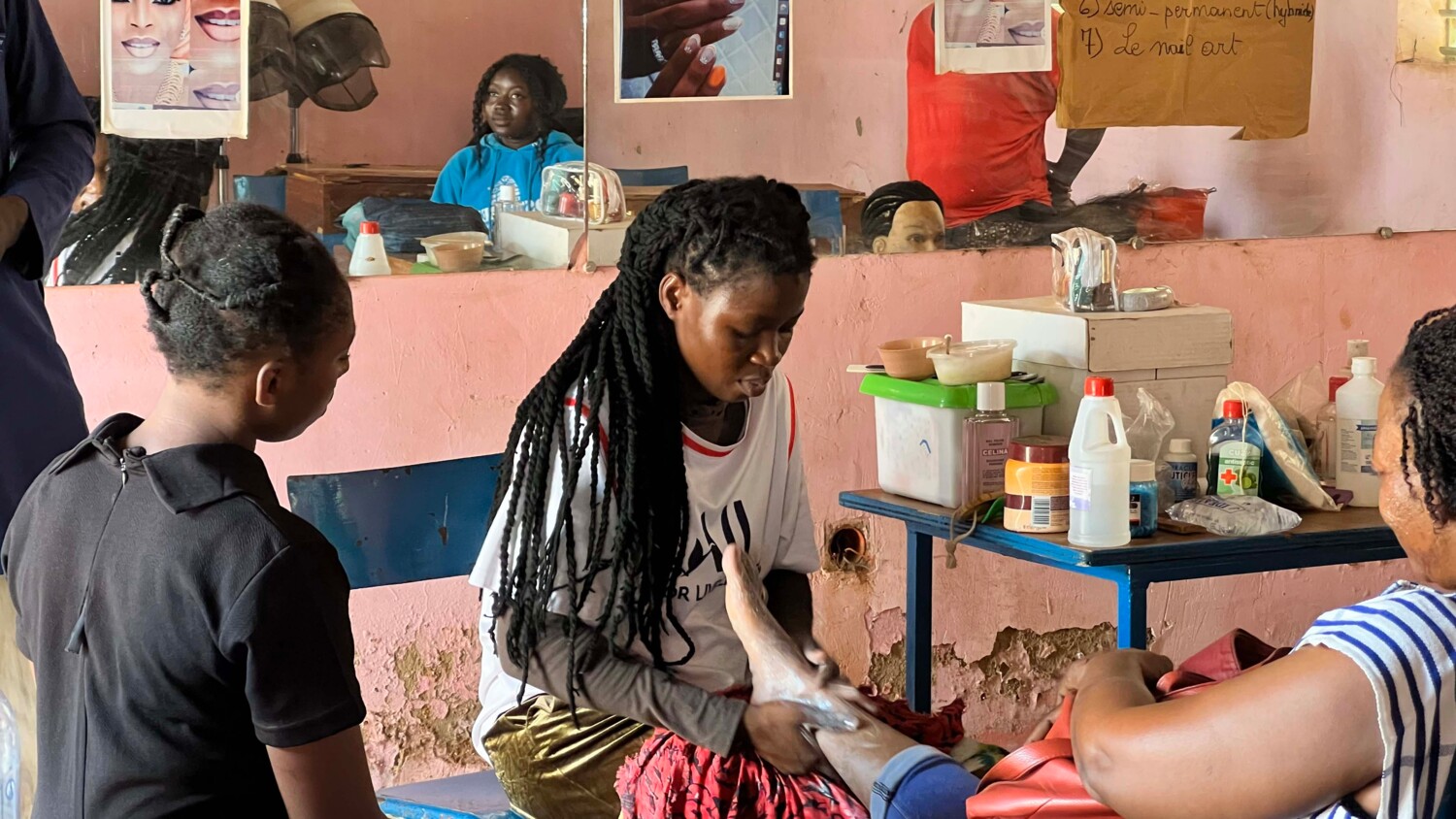
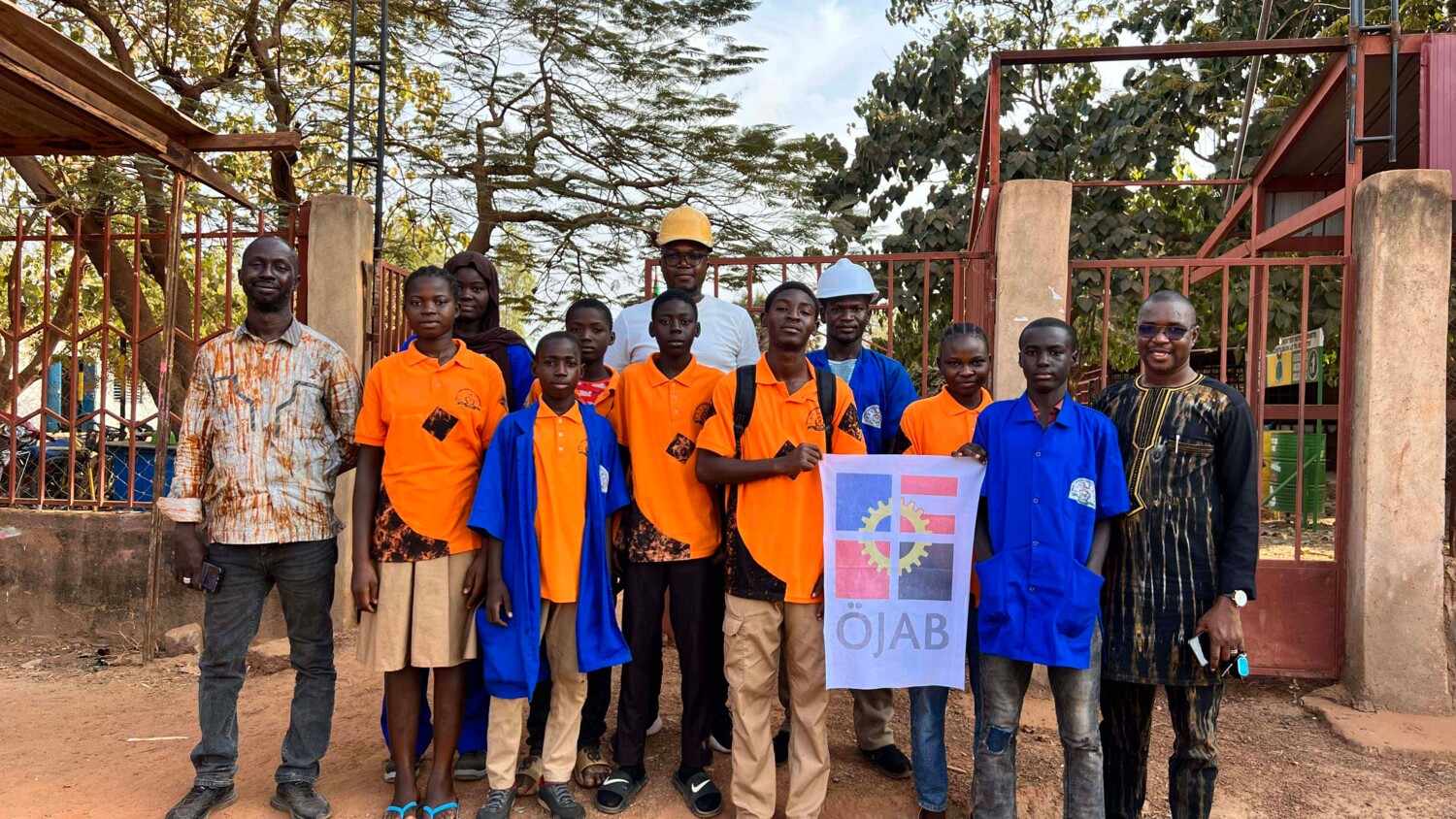
Vocational training has been a centrepiece of ÖJAB’s development cooperation in Burkina Faso since its inception in the 1960s. After identifying promising partner schools in their last monitoring visit to Burkina Faso, ÖJAB started the new project Crafting Futures in early 2025. ÖJAB offers support with logistical costs and annually contributes to schooling costs of 30 young trainees in need in the two vocational training centres CFPP/Vénégré and Centre de Formation Professionnelle Sainte Louise (CFP - SL). Both centres are located in Burkina Faso’s capital city Ouagadougou in the region of Kadiogo and provide courses in trades that are in high demand on Burkina Faso’s job market, such as plumbing, building electricity, and food processing.
The ÖJAB team visited the centres’ facilities and evaluated current challenges and possibilities on further improving the training courses’ quality together with the schools’ principals. Independent interviews with the students on their perspective completed this evaluation. A first review of this project showed very satisfactory results: 95% of the sponsored trainees successfully passed their CQP graduation exam (French: Certificat de Qualification Professionnelle). Furthermore, the two training centres used this project to network and exchange their experiences and expertise to improve their work.

Expanding sustainable beekeeping to increase incomes
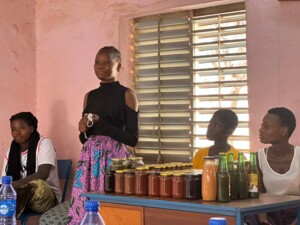
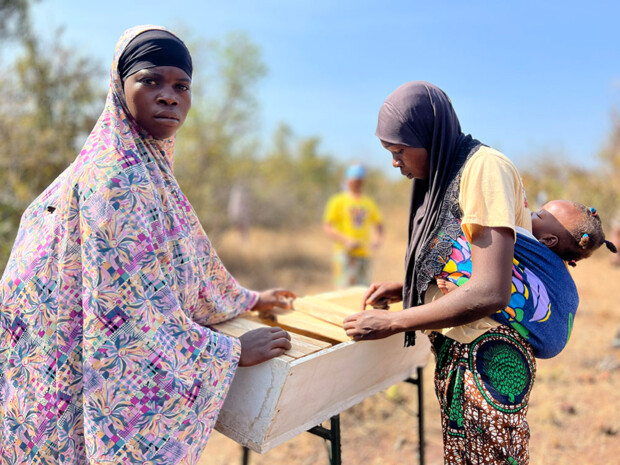
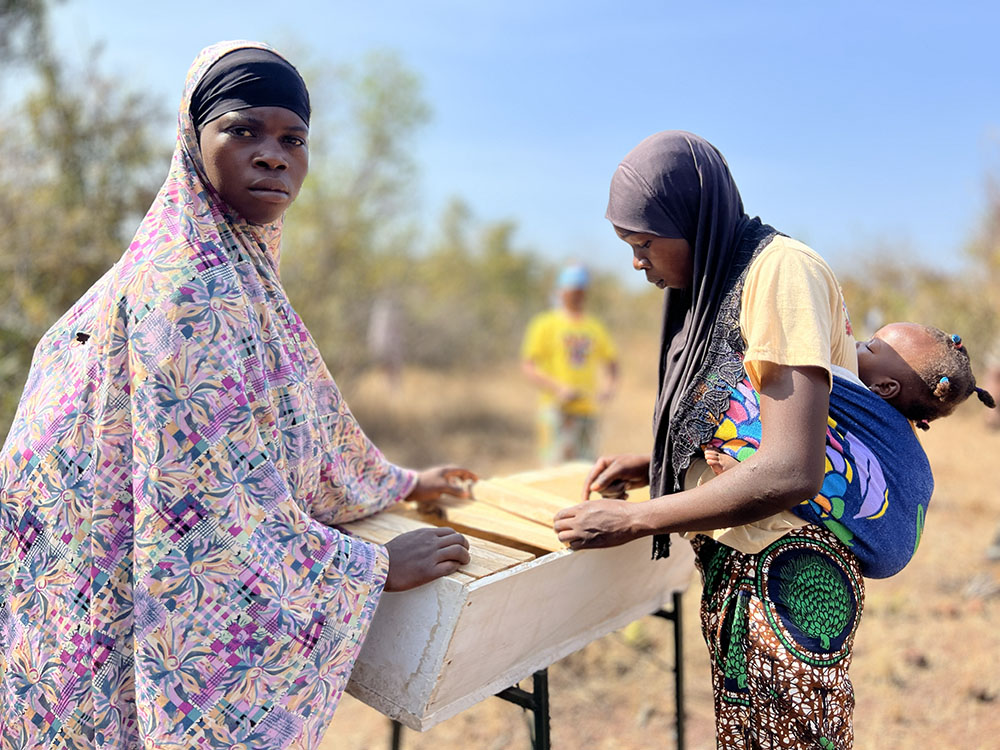
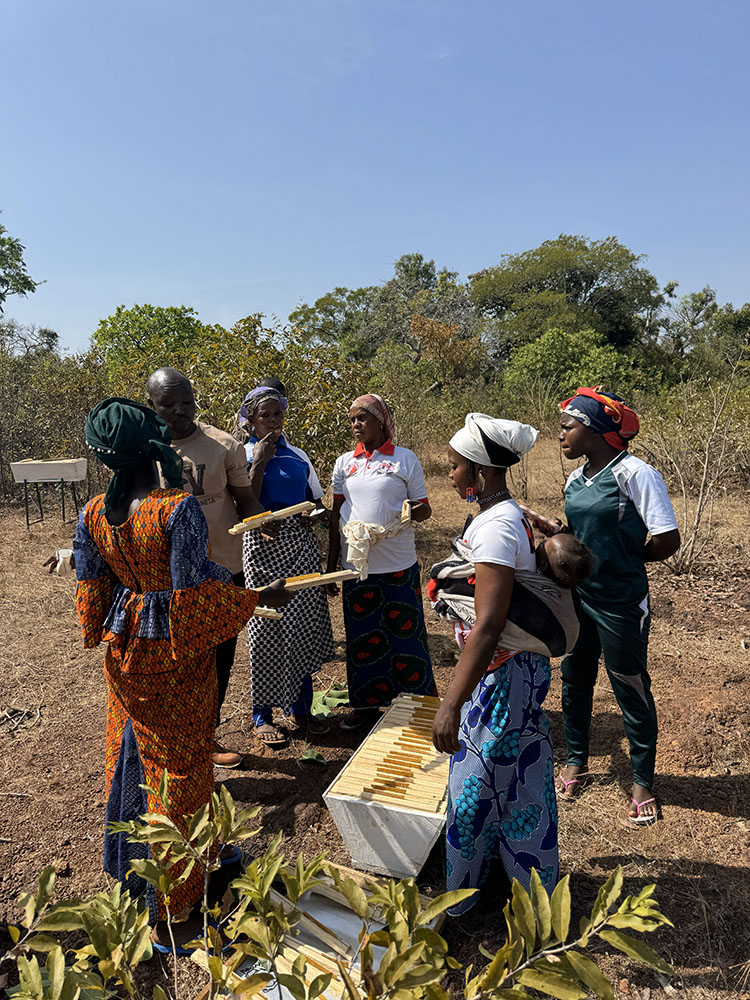
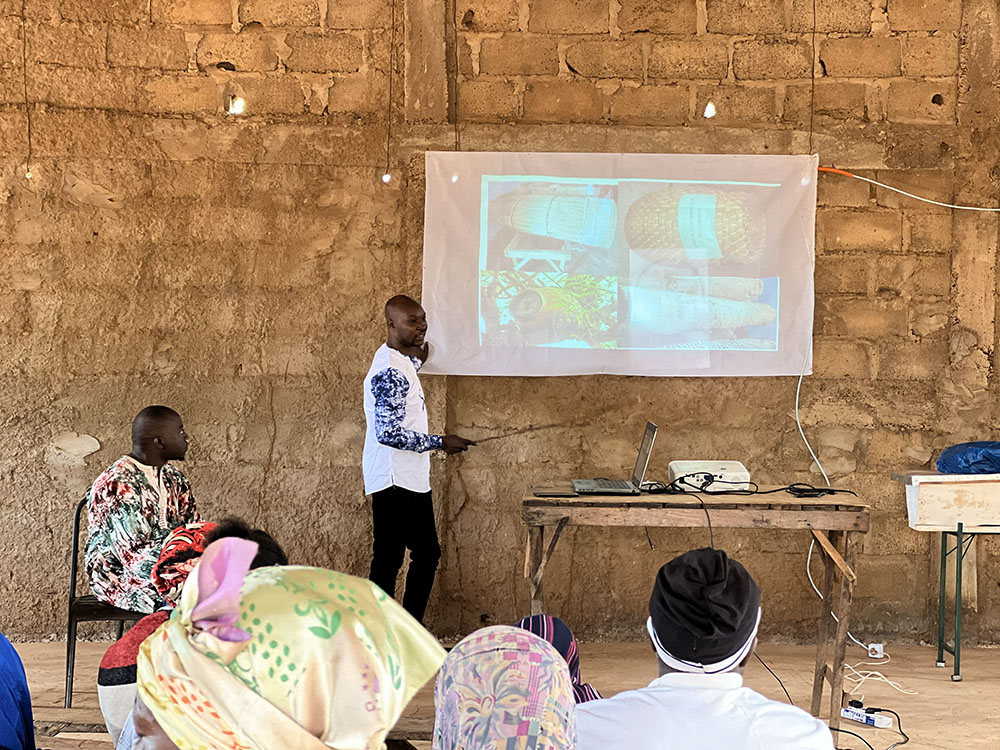
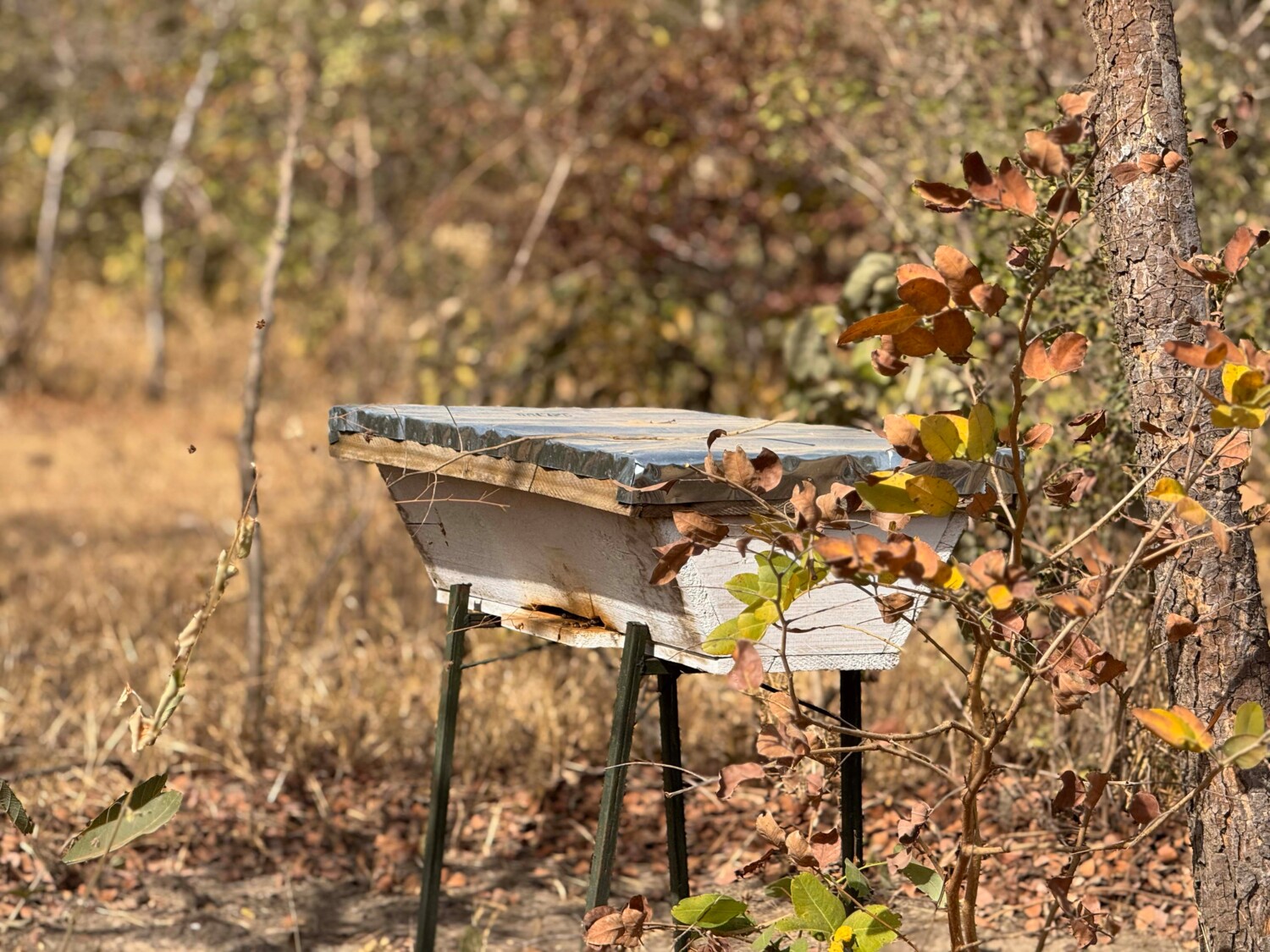
After a very promising start of the apiary project Tomorrow’s Honey in the commune of Pabré in the Kadiogo region, ÖJAB expanded the concept to a larger project. This new project named Bees for Better Chances takes place in the rural commune of Kourinion in the Guiriko region (until 2025: Hauts-Bassins) in western Burkina Faso. These projects’ goal is to both increase incomes of rural households as well as improve biodiversity by maintaining healthy bee colonies in the area. To these ends, ÖJAB and their local partner organisation Agrovetapic introduce beekeepers to modern beekeeping equipment and production methods, that yield more honey of higher quality and allow for less invasive monitoring and harvesting. Furthermore, they help with sales and Agrovetapic provides training sessions and assistance with monitoring the modern beehives. The project “Bees for Better Chances” is made possible by the financial support of the City of Vienna.
First results showed, that the beekeepers in Pabré were able to harvest three times more honey than compared to using traditional methods. Thus, the project was received very well by the beneficiaries and other local stakeholders. However, there is still room for improvement in more effective sales strategies.
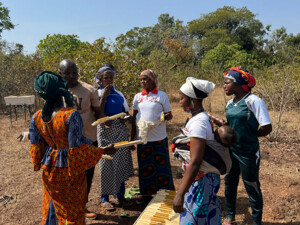
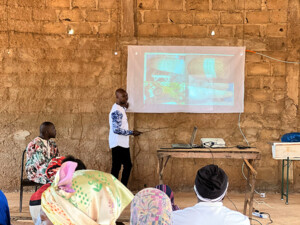
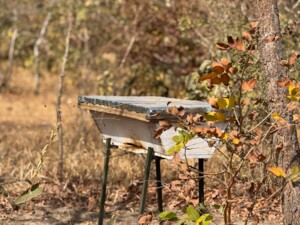
In Kourinion, ÖJAB’s team monitored the installation of 100 new beehives and preparation for the bee colonies, and attended a training lesson held by experts from Agrovetapic for the beneficiaries. One major difference to the pilot project is the stronger focus on women and young people. The aim is to offer these groups more financial independence, due to their disadvantaged status in traditional societies in rural Burkina Faso.
Please donate for ÖJAB’s development cooperation activities! Even a small donation can have a big impact on people’s lives. Donate here!
