
Bees for Better Chances
Higher incomes through more efficient beekeeping
Thanks to good experiences with the pilot project “Tomorrow’s Honey”, ÖJAB expands their concept of sustainable, more efficient beekeeping as a source of income for rural households to the commune of Kourinion in the region Guiriko (until 2025: Hauts-Bassins) in western Burkina Faso. ÖJAB introduces local beekeepers using traditional methods to more efficient, less invasive beekeeping methods and supports them in sales.


Background and Need
The people in Burkina Faso face many challenges during their economic development. Unemployment and a lack of economic perspectives are prevalent problems in rural areas, where the majority practises subsistence farming or livestock farming. Women and young people are particularly affected due to their low social standing in traditional social structures.
Beekeeping is becoming an increasingly popular source of extra income for many households, as it is a relatively accessible method of improving one’s financial situation. However, a lack of resources and knowledge about sustainable beekeeping hampers its potential.

Project Activities
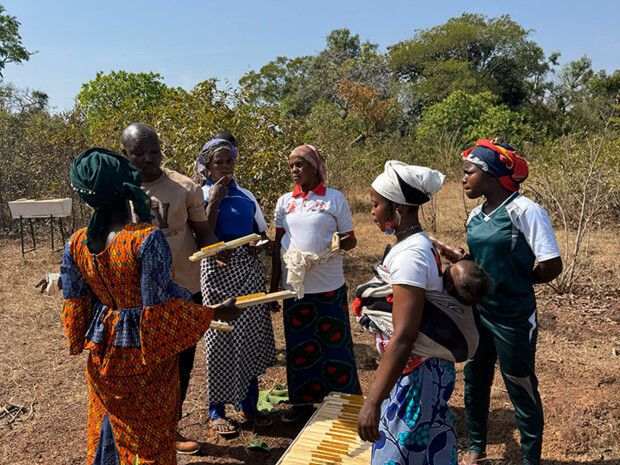
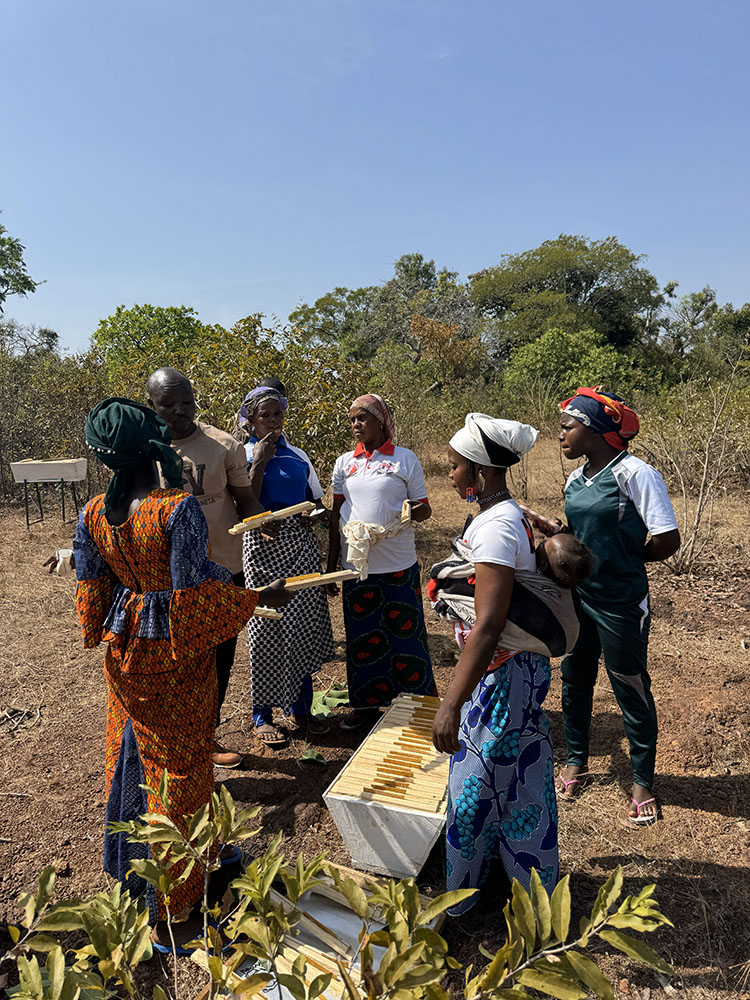
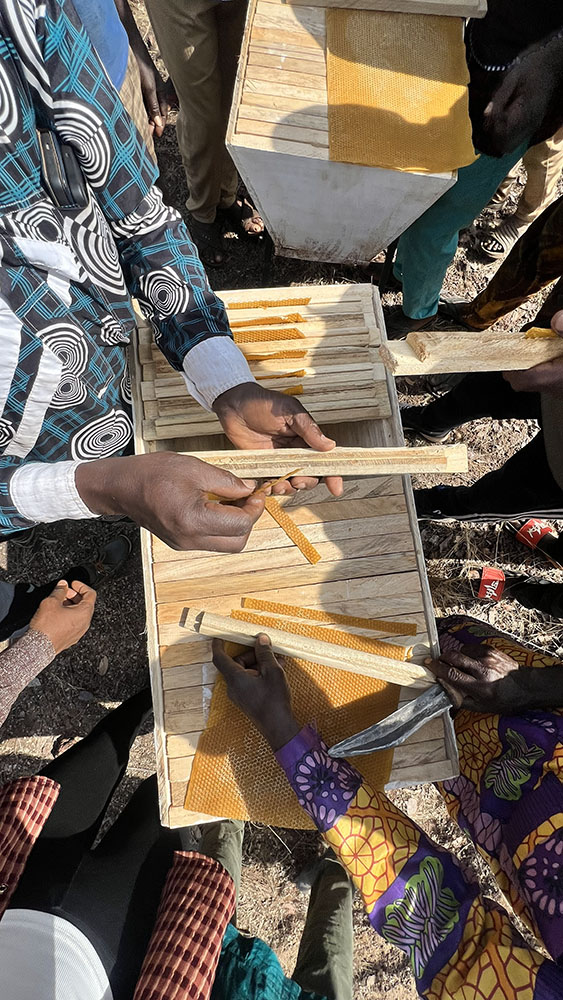
With their project “Bees for Better Chances”, ÖJAB and their local project partner Agrovetapic support 50 Burkinabe beekeepers using traditional techniques to learn new methods and thus increase the production of honey and other bee products and make their work more sustainable. The beekeepers are provided with modern equipment including 100 beehives, protective clothing and other gear, that simplifies harvesting and checking the colony’s health condition.
Agrovetapic trains the beneficiaries in the use of their new tools and beehives, expands their beekeeping knowledge and supports them in other ways, such as how to recognize early signs of disease in the colony.
Besides increasing yields, selling the bees’ products is key to increase the beekeepers’ income. For this purpose, ÖJAB helps them establish a co-operative to create more marketing opportunities and thus achieve higher prices for their wares. Furthermore, some of the honey extraction equipment can be used communally.

Impact
The improvement of production methods leads to a significant improvement, both in quality and in quantity of honey yields. Organizing in a co-operative allows for a better market position, further leading to much higher incomes. The modern and less invasive methods of checking the bees’ condition and harvesting their products contribute to the bee colonies’ health, which in turn has a positive impact on local biodiversity.

*The content of this publication has not been approved by the United Nations and does not reflect the views of the United Nations or its officials or member states.